Mentored by the Prophets: How Old Testament Prophets Heard God and Lived Prophetically And What To Learn From Them?
0:000:00
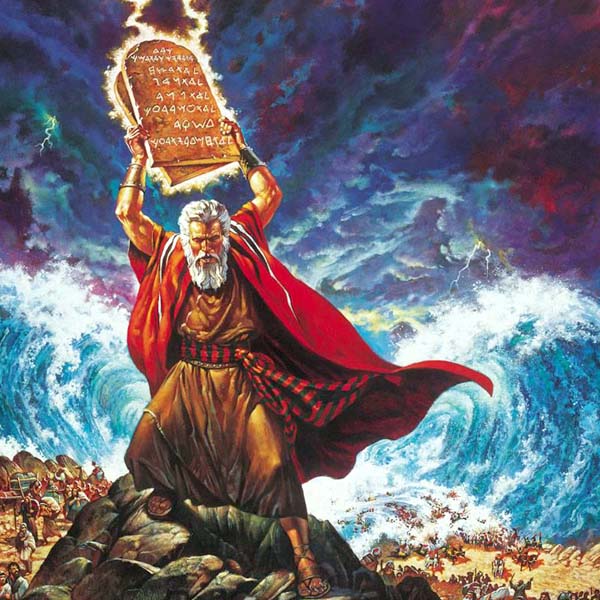
Imagine being mentored by Elijah, Isaiah, Jeremiah, or Daniel. What would they teach you about hearing God? Would they teach you how to listen in solitude, how to weep for a nation, or how to discern the timing of divine intervention? The Old Testament prophets lived in a world of deep intimacy with God—sometimes through fire, sometimes in silence, sometimes with trembling.
They heard God’s voice through burning bushes, angelic encounters, still small whispers, and deep inner burdens. Some received open visions; others discerned God’s will through scripture, as Daniel did when he read the words of Jeremiah and realized the seventy years of captivity were ending. These men didn’t stumble upon revelation. They positioned themselves—through fasting, solitude, study, prayer, and holy living—to hear the heart of God.
Their journey often began not with declarations but with questions. The prophets asked God deeply personal and painful things: Why do the wicked prosper? How long will injustice reign? Who am I to carry this calling? What if they don’t believe me? These weren’t rhetorical questions—they were the honest cries of men carrying divine burdens.
Habakkuk cried out, “How long, Lord, must I call for help and You do not listen?” and then positioned himself on a watchtower, determined to wait for God’s reply. Moses asked, “Why have You brought this trouble on Your people?” and “What if they do not believe me?” Elijah, in his deep discouragement, asked God to take his life. Even Jonah questioned God’s mercy, bitterly asking why He would spare Nineveh. And Daniel, with trembling, asked what would become of the visions he saw.
These prophets were not afraid to ask God why, how long, what now, and what does it mean. Their questions weren’t accusations—they were invitations into divine dialogue. God answered them not always with explanations, but often with presence, reassurance, or further instruction.
But asking wasn’t the end. When revelation came, these prophets didn’t rush to post it on scrolls or announce it in the streets. Daniel fasted and prayed before sharing. Elijah waited for the Lord’s timing. Jeremiah wept with God’s grief before speaking His judgment. Ezekiel acted out the word with prophetic drama, bearing the weight of the message in his very body.
They understood that a prophetic word was not for performance—it was a sacred trust. It had to be carried, sometimes in silence, sometimes through tears. Revelation wasn’t about information—it was about transformation. And it had to start with them.
These men were human. Elijah ran in fear. Jonah ran in anger. Jeremiah wrestled with loneliness. Moses grew weary. Yet they stayed on the path, often through agony, because they knew the One who spoke to them.
Their lives reveal the character of a prophet: consecration, courage, compassion, and deep obedience. But they also show the dangers—of isolation, discouragement, and despair. Their failures do not disqualify them—they make them mentors to us who wrestle with the same weaknesses.
What can we learn from them today? To be still and listen. To study the Word and expect God to speak through it. To ask bold questions and wait on the Lord for answers. To carry the burden before we deliver the word. And to remember that our character must hold the weight of our calling.
The prophets still speak. Not just through their words, but through their ways. They would say to us: “Ask Him. Wait for Him. Walk with Him. He still speaks.”
Are you listening?
God Bless You Tony Francis
Do you need a personal prophetic ministry? We would love to serve you. You can explore The Prophecy Line, Your Hebraic Month Prophetic Report, The Now Prophetic Word, The Month Prophetic Word, The Friend Prophetic Word, The Couple / Family Prophetic Word, The Year Prophetic Word, Interpretation of Tongues, My Heavenly Calendar, Dream Interpretation, Destiny Word Card, and Ask Holy Spirit 101 Mini Activation & Mentoring. Learn More
❤️ Would love your thoughts on my post! Please comment …
Thanks for blessing us to stay online and releasing the word of the Lord!Thank you for your generous tip. You can choose the amount you feel led to sow at this time. God bless you in Jesus' name! Tony Francis.
Make a Donation
🔔 Mobile Notification
Nothing is more beautiful than a prophetic word popping on your mobile on time encouraging and inviting you to breakthrough. Join this feature for FREE. No mobile number required, you can unsubscribe anytime:
▶️ Mentoring Videos & Insights
Watch Tony Francis's teaching videos, podcasts, and prophetic mentoring. Watch Now
📅 Checkdate – Prophetic Dates & Global Intercession
Access monthly prophetic dates and global intercession! Divine and demonic dates revealed by Holy Spirit each month. Learn More
💬 Prophetic Mentoring & Activations on WhatsApp
Grow and get sharpened in the prophetic through almost daily creative activations. Click here to learn more Learn More
💬 Public WhatsApp Channel
Join our prophetic community for free where you get prayers, prophecies, mentoring, giveaways and MORE. No need for a number or registration, all you need is your WhatsApp and it is private and secure. Follow us
👍 Private Facebook Group
Learn more about my free private Facebook group for prophetic mentoring, activations and more. Click here Learn More
✏ Are you a Writer?
Healed Nations invites you to publish your own christian devotion or prophetic word for FREE. Join the library of many Christian authors and share your article(s) with the world once published: Submit Post
👕 Merch by Tony Francis
Browse from a large collection of christian & motivational apparel & accessories. Each item has a related collection from mugs, pillows, towels, etc. You can contact me to customize. Use promo code DISCOUNT15 on checkout for a 15% off of everything. Happy shopping! You can click here to visit the Tony Francis Store online shop. Visit Store
👂 My Latest Podcasts
Toni Francis
Toni Francis is from the Middle East. He is grounded in the scriptures and has a licensed degree in biblical studies from MTI, the school of ministry, and a certificate in EPL (effective personal leadership) from LMI. He has authored many books and is the founder of Healed Nations Ministries (www.healednations.com). Tony mentors people in the prophetic and served as the prophetic leader of Patricia King’s ministries.
https://healednations.com/wp-content/uploads/2025/07/ChatGPT-Image-Jul-3-2025-08_41_05-AM.png10241024Tony Francis - Healed Nations Authorhttps://healednations.com/wp-content/uploads/2024/05/Healed-Nations-Ministries-LOGO202401.pngTony Francis - Healed Nations Author2025-07-03 08:44:542025-07-09 08:56:52Mentored by the Prophets: How Old Testament Prophets Heard God and Lived Prophetically And What To Learn From Them?
We may request cookies to be set on your device. We use cookies to let us know when you visit our websites, how you interact with us, to enrich your user experience, and to customize your relationship with our website.
Click on the different category headings to find out more. You can also change some of your preferences. Note that blocking some types of cookies may impact your experience on our websites and the services we are able to offer.
Essential Website Cookies
These cookies are strictly necessary to provide you with services available through our website and to use some of its features.
Because these cookies are strictly necessary to deliver the website, refusing them will have impact how our site functions. You always can block or delete cookies by changing your browser settings and force blocking all cookies on this website. But this will always prompt you to accept/refuse cookies when revisiting our site.
We fully respect if you want to refuse cookies but to avoid asking you again and again kindly allow us to store a cookie for that. You are free to opt out any time or opt in for other cookies to get a better experience. If you refuse cookies we will remove all set cookies in our domain.
We provide you with a list of stored cookies on your computer in our domain so you can check what we stored. Due to security reasons we are not able to show or modify cookies from other domains. You can check these in your browser security settings.
Google Analytics Cookies
These cookies collect information that is used either in aggregate form to help us understand how our website is being used or how effective our marketing campaigns are, or to help us customize our website and application for you in order to enhance your experience.
If you do not want that we track your visit to our site you can disable tracking in your browser here:
Other external services
We also use different external services like Google Webfonts, Google Maps, and external Video providers. Since these providers may collect personal data like your IP address we allow you to block them here. Please be aware that this might heavily reduce the functionality and appearance of our site. Changes will take effect once you reload the page.
Google Webfont Settings:
Google Map Settings:
Google reCaptcha Settings:
Vimeo and Youtube video embeds:
Other cookies
The following cookies are also needed - You can choose if you want to allow them: