Is Time Really Making You Old? How Your Body Actually Experiences Time and How to Stay Young?
0:000:00
Have you ever wondered… Does your body really feel time passing? Or is getting older just something we humans mark with calendars and birthday cakes?
Here’s a surprising truth: 🕒 Your body doesn’t know what “years” are. It doesn’t count days, months, or decades. Your cells aren’t aware that you just turned 40 or 60. Instead, your body responds to something entirely different — how well you care for it.
Your Body and Time: Not What You Think
We often blame time for making us look or feel older. But in reality, time isn’t the enemy—it’s how your cells handle life’s wear and tear.
Think of your body like a car. A car doesn’t get old because of the calendar—it ages based on how many miles you drive it, the quality of fuel you use, and whether you maintain it properly.
In the same way, your body “ages” because of:
Cellular stress
Environmental damage
Lifestyle habits
Not because time is passing.
What’s Really Happening Inside Your Cells?
Every second, your body is busy repairing, renewing, and replacing cells. Some cells—like those in your skin—renew every few weeks. Others, like neurons in your brain, stick around for a lifetime.
Here’s where things get interesting:
Telomeres: Your Cellular Lifespan Counters These protective caps on your DNA get shorter every time a cell divides. But they don’t shorten because of time—they shorten based on how often your cells need to repair damage caused by stress, poor diet, toxins, and inflammation.
Mitochondria: Your Energy Managers These tiny power generators in your cells can either stay strong or weaken—not because of your age in years, but because of how much you move, what you eat, and how you manage stress.
Cellular “Rust”: Oxidative Stress Free radicals build up when your body faces pollution, unhealthy food, or chronic stress. It’s like rust forming on metal—not because of time alone, but because of exposure.
Why Two People the Same “Age” Can Feel Completely Different
Have you noticed how some people in their 50s are full of energy, glowing skin, and sharp minds—while others feel drained and sluggish in their 30s?
That’s because your biological condition depends on your choices, not your birthdate.
A landmark study published in The Journals of Gerontology showed that individuals who followed healthy lifestyles had bodies functioning 10-15 years “younger” than their peers—without any magic, just better cellular health.
How to Help Your Body Handle Time Better
(And Stay Youthful, Longer)
Since your body doesn’t “age” by counting years, the key is learning how to reduce the wear and tear that forces your cells into decline.
Here’s how to keep your cells thriving:
1. 🕐 Embrace Smart Eating Windows (Intermittent Fasting)
Give your body regular breaks from digestion. This activates autophagy, where cells clean out waste and repair themselves—like hitting the reset button.
2. 🚶 Stay in Motion
Movement signals to your body that it’s alive and active. Even short daily walks can improve how your cells produce energy and handle stress.
3. 🥦 Feed Your Cells Right
Antioxidant-rich foods (like blueberries, spinach, and nuts) protect your cells from daily damage. Think of them as your body’s internal defense team.
4. 😴 Let Repair Happen Overnight
Deep sleep isn’t optional—it’s when your body performs its most critical maintenance. Consistent, quality sleep helps your cells “forget” how many years you’ve lived.
5. 😌 Keep Calm—Literally
Stress accelerates cellular damage. Practices like deep breathing, short breaks, or even laughter can reduce the internal “pressure” your cells feel.
6. 💊 Support with Science
Supplements like Resveratrol and NMN are being studied for their role in supporting cellular health and longevity—not because they stop time, but because they help cells function like they’re in their prime.
7. 💬 Stay Engaged with Life
Studies show that purpose, curiosity, and social connections boost health markers far beyond what genetics predict.
The Bottom Line: It’s Not About Time—It’s About Treatment
Your body doesn’t care how many birthdays you’ve celebrated. It does care about how much stress you put it under, what fuel you give it, and whether you allow it to recover and thrive.
So instead of asking, “How old am I?” Start asking, “How well am I helping my body handle today?”
Because aging isn’t about time ticking away — It’s about how you manage the journey.
God Bless You Tony Francis
Do you need a personal prophetic ministry? We would love to serve you. You can explore The Prophecy Line, Your Hebraic Month Prophetic Report, The Now Prophetic Word, The Month Prophetic Word, The Friend Prophetic Word, The Couple / Family Prophetic Word, The Year Prophetic Word, Interpretation of Tongues, My Heavenly Calendar, Dream Interpretation, Destiny Word Card, and Ask Holy Spirit 101 Mini Activation & Mentoring. Learn More
❤️ Would love your thoughts on my post! Please comment …
Thanks for blessing us to stay online and releasing the word of the Lord!Thank you for your generous tip. You can choose the amount you feel led to sow at this time. God bless you in Jesus' name! Tony Francis.
Make a Donation
🔔 Mobile Notification
Nothing is more beautiful than a prophetic word popping on your mobile on time encouraging and inviting you to breakthrough. Join this feature for FREE. No mobile number required, you can unsubscribe anytime:
▶️ Mentoring Videos & Insights
Watch Tony Francis's teaching videos, podcasts, and prophetic mentoring. Watch Now
📅 Checkdate – Prophetic Dates & Global Intercession
Access monthly prophetic dates and global intercession! Divine and demonic dates revealed by Holy Spirit each month. Learn More
💬 Prophetic Mentoring & Activations on WhatsApp
Grow and get sharpened in the prophetic through almost daily creative activations. Click here to learn more Learn More
💬 Public WhatsApp Channel
Join our prophetic community for free where you get prayers, prophecies, mentoring, giveaways and MORE. No need for a number or registration, all you need is your WhatsApp and it is private and secure. Follow us
👍 Private Facebook Group
Learn more about my free private Facebook group for prophetic mentoring, activations and more. Click here Learn More
✏ Are you a Writer?
Healed Nations invites you to publish your own christian devotion or prophetic word for FREE. Join the library of many Christian authors and share your article(s) with the world once published: Submit Post
👕 Merch by Tony Francis
Browse from a large collection of christian & motivational apparel & accessories. Each item has a related collection from mugs, pillows, towels, etc. You can contact me to customize. Use promo code DISCOUNT15 on checkout for a 15% off of everything. Happy shopping! You can click here to visit the Tony Francis Store online shop. Visit Store
👂 My Latest Podcasts
Toni Francis
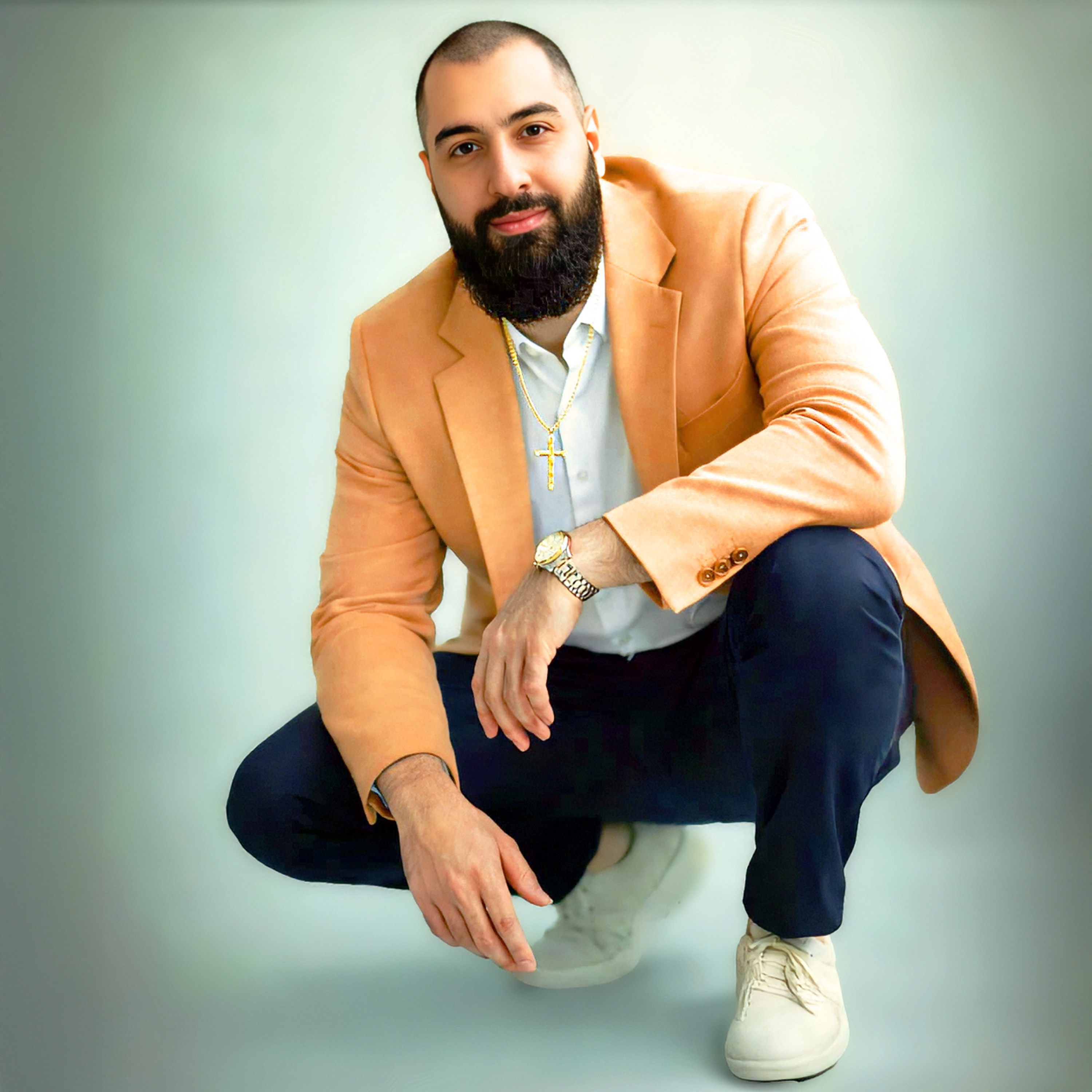
Toni Francis is from the Middle East. He is grounded in the scriptures and has a licensed degree in biblical studies from MTI, the school of ministry, and a certificate in EPL (effective personal leadership) from LMI. He has authored many books and is the founder of Healed Nations Ministries (www.healednations.com). Tony mentors people in the prophetic and served as the prophetic leader of Patricia King’s ministries.
https://healednations.com/wp-content/uploads/2025/04/ChatGPT-Image-Apr-23-2025-11_20_43-AM.png10241024Tony Francis - Healed Nations Authorhttps://healednations.com/wp-content/uploads/2024/05/Healed-Nations-Ministries-LOGO202401.pngTony Francis - Healed Nations Author2025-04-23 11:22:452025-04-23 11:22:45Is Time Really Making You Old? How Your Body Actually Experiences Time and How to Stay Young?
We may request cookies to be set on your device. We use cookies to let us know when you visit our websites, how you interact with us, to enrich your user experience, and to customize your relationship with our website.
Click on the different category headings to find out more. You can also change some of your preferences. Note that blocking some types of cookies may impact your experience on our websites and the services we are able to offer.
Essential Website Cookies
These cookies are strictly necessary to provide you with services available through our website and to use some of its features.
Because these cookies are strictly necessary to deliver the website, refusing them will have impact how our site functions. You always can block or delete cookies by changing your browser settings and force blocking all cookies on this website. But this will always prompt you to accept/refuse cookies when revisiting our site.
We fully respect if you want to refuse cookies but to avoid asking you again and again kindly allow us to store a cookie for that. You are free to opt out any time or opt in for other cookies to get a better experience. If you refuse cookies we will remove all set cookies in our domain.
We provide you with a list of stored cookies on your computer in our domain so you can check what we stored. Due to security reasons we are not able to show or modify cookies from other domains. You can check these in your browser security settings.
Google Analytics Cookies
These cookies collect information that is used either in aggregate form to help us understand how our website is being used or how effective our marketing campaigns are, or to help us customize our website and application for you in order to enhance your experience.
If you do not want that we track your visit to our site you can disable tracking in your browser here:
Other external services
We also use different external services like Google Webfonts, Google Maps, and external Video providers. Since these providers may collect personal data like your IP address we allow you to block them here. Please be aware that this might heavily reduce the functionality and appearance of our site. Changes will take effect once you reload the page.
Google Webfont Settings:
Google Map Settings:
Google reCaptcha Settings:
Vimeo and Youtube video embeds:
Other cookies
The following cookies are also needed - You can choose if you want to allow them: